
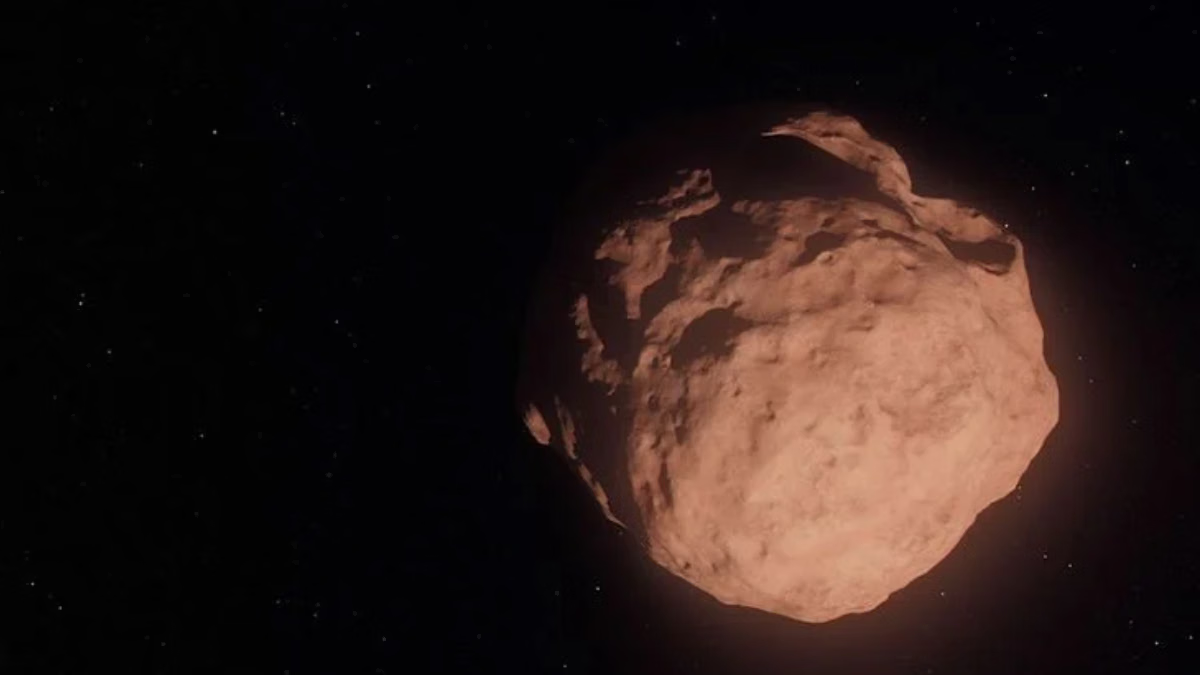
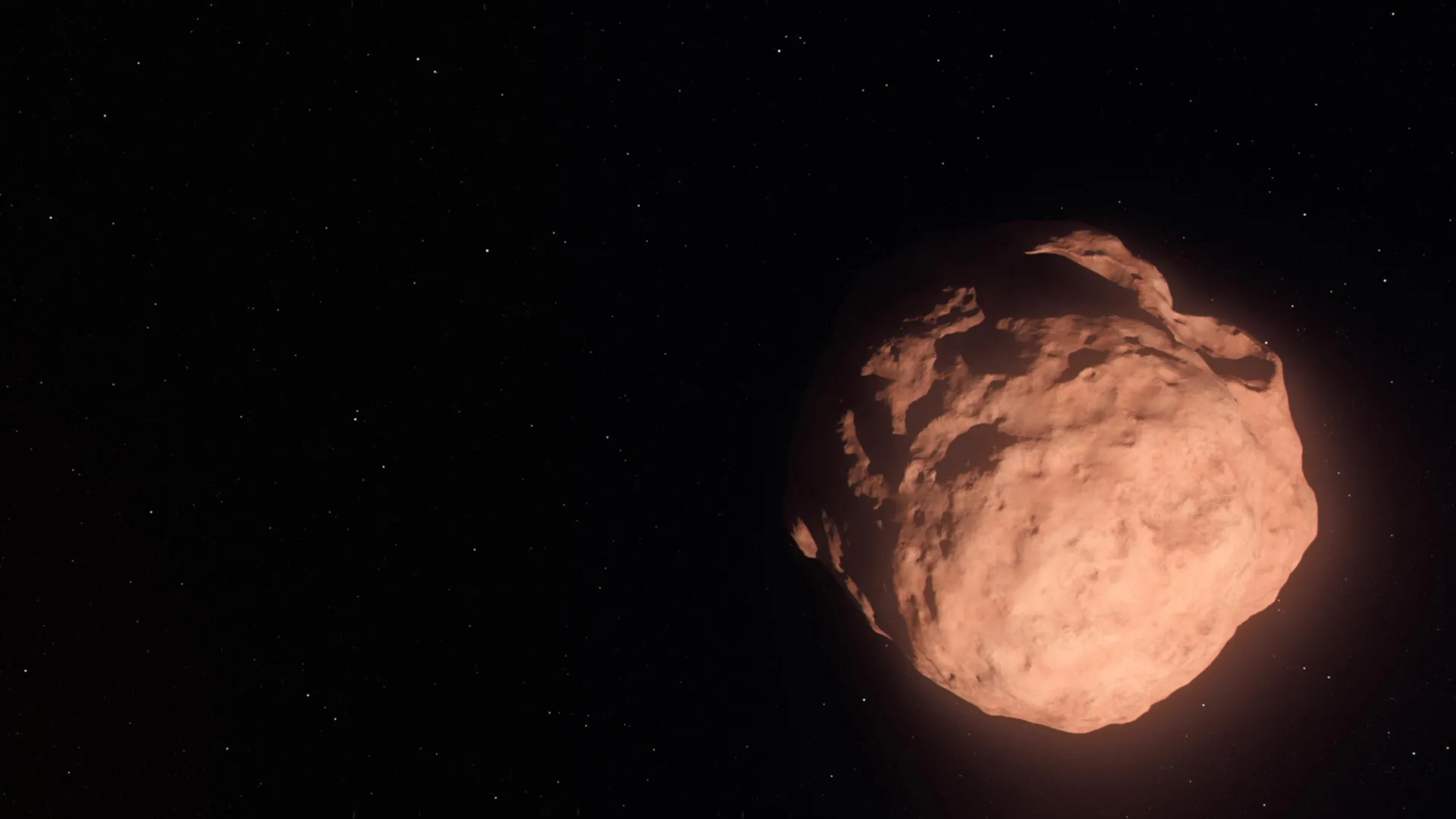

NASA's Hubble and James Webb Space Telescopes have discovered 27 previously unknown trans-Neptunian objects beyond Neptune, offering new insights into the ancient history of our solar system.
The findings, published in two companion papers in The Astronomical Journal on 8 September 2024, represent the deepest survey of these distant, icy bodies to date. Using Hubble to observe in visible light and Webb to capture infrared light from the same region of space beyond Neptune, astronomers were able to measure the objects' colours, sizes and orbits for the first time with such detail.
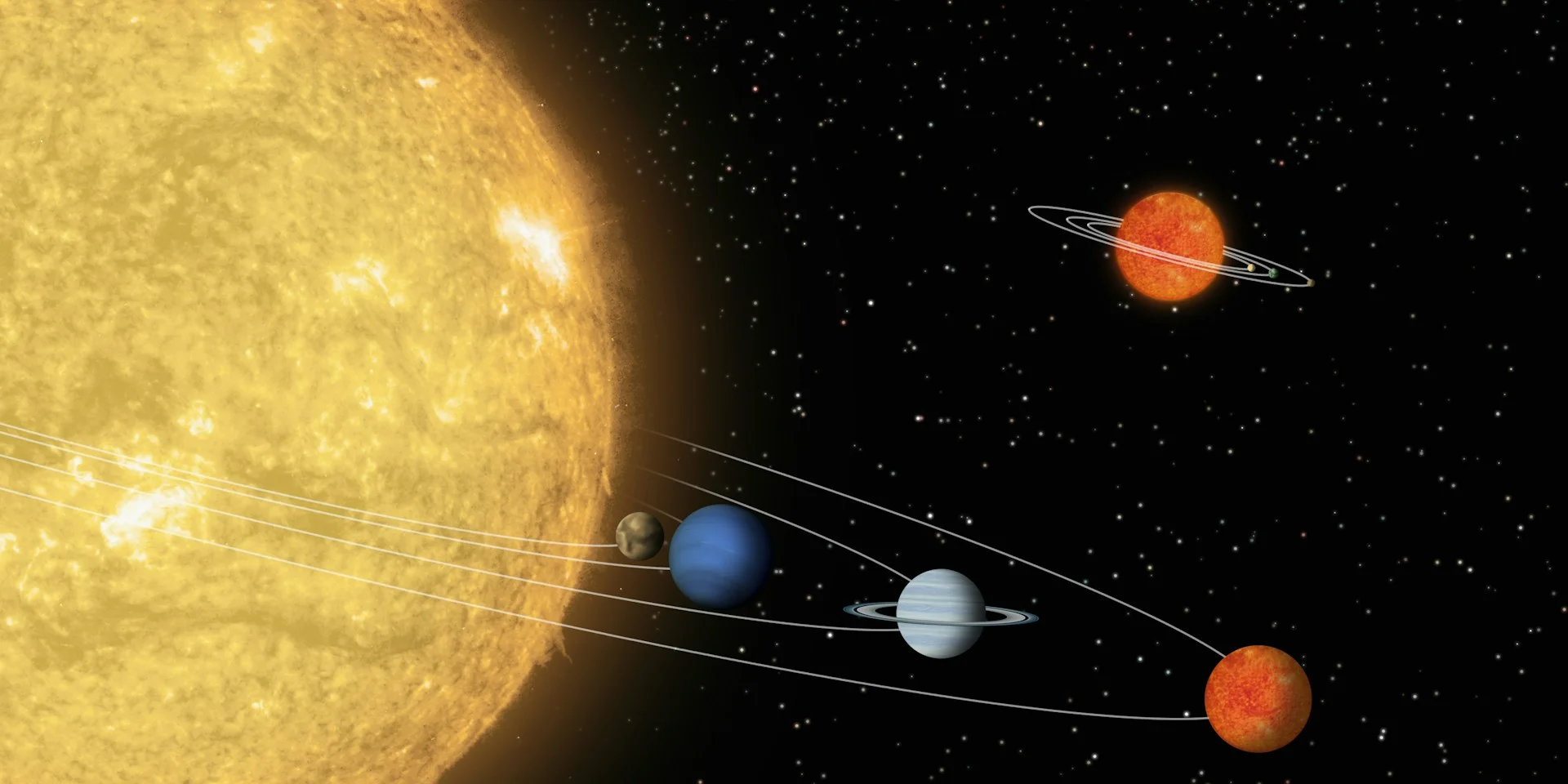
The research teams identified two distinct populations of trans-Neptunian objects. 'Cold' TNOs have largely remained in the regions where they originally formed, following relatively circular paths close to the plane in which most solar system planets orbit. 'Hot' TNOs have experienced a more turbulent history, having formed between the present-day orbits of Uranus and Neptune before being scattered outward as the giant planets migrated early in the solar system's development.
A surprising finding concerned the objects' surface colours. Astronomers had expected smaller TNOs to have undergone more collisions, which would have altered their surfaces and made them look different from larger objects. Instead, the smaller bodies retained similar colour patterns to their larger counterparts, suggesting that their original surface compositions have remained relatively undisturbed over billions of years.
'You could imagine a scenario where getting knocked around and fragmented would change the surface composition, and then you would see a different surface colour for tiny TNOs compared to their larger siblings,' said Anastasia Morgan of Northern Arizona University, who led the study examining their colours and composition. 'So it's really fascinating to see that the smallest objects are somehow 'remembering' and preserving the history of how they were made.'
The second study examined the distribution of objects by size. Researchers found that the hot and cold populations had surprisingly similar size distributions, despite forming in different regions of the early solar system. They also discovered fewer very small objects than some planetary formation models had predicted.
Webb detected objects as small as approximately five kilometres across, including one so faint that its detection would be comparable to spotting a small swarm of fireflies on the Moon from Earth.
Together, the findings offer a new way to investigate the early conditions that shaped our planetary neighbourhood. They also demonstrate how combining observations across different wavelengths can reveal details about objects that would otherwise remain almost impossible to study.
The discovery of these ancient icy relics provides a new window into the processes that formed the planets billions of years ago, and highlights the complementary capabilities of NASA's two most powerful space observatories working in tandem.