

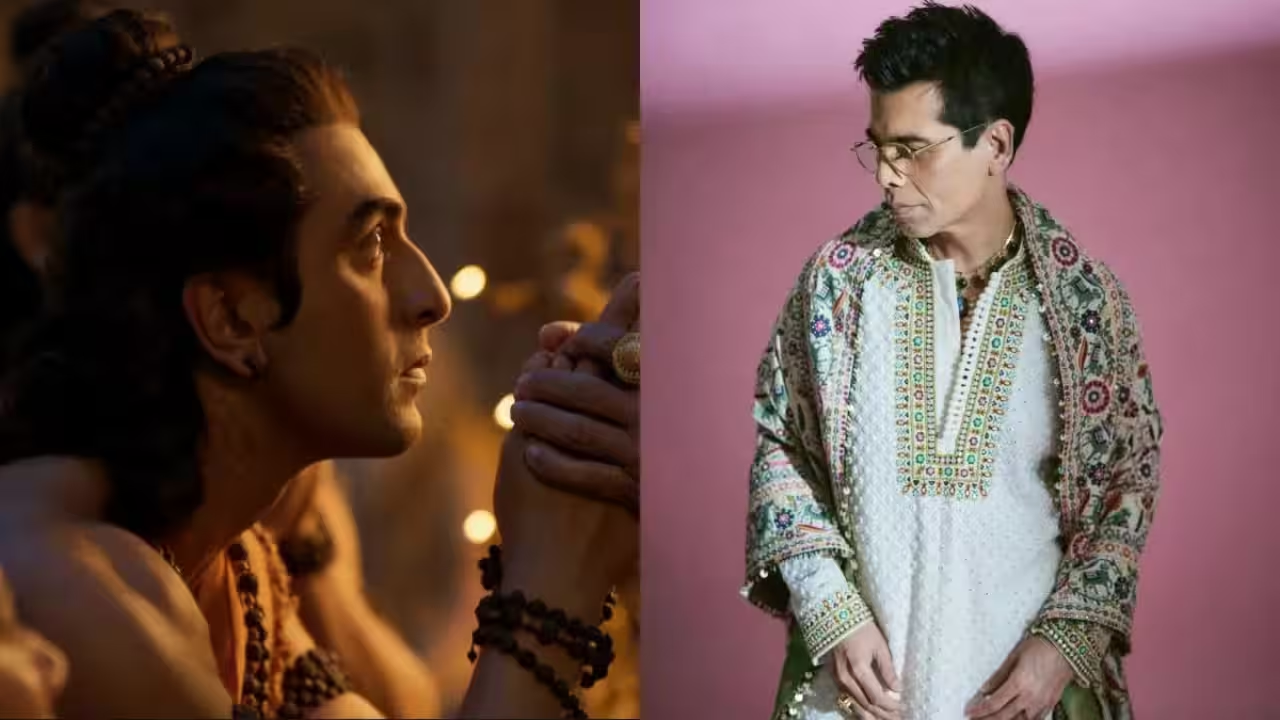
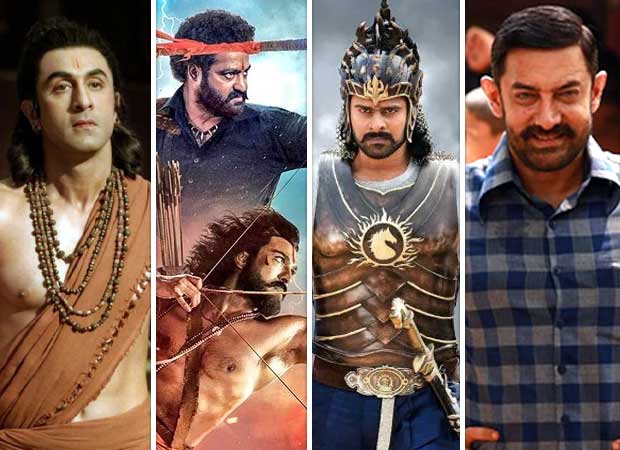
Nitesh Tiwari's 'Ramayana: Rise of a Legend' arrives as a cinematic event of monumental scale, adapting India's national epic with production values that match its mythological source material. The film opens with the world under siege by Ravana, the demon king whose intense meditations threaten the universe's stability. To protect creation, Brahma grants Ravana immunity from attack by humans, gods, or diseases — a concession that gives him a significant advantage as he swiftly takes over the world and ushers in a dark age.
In response, Vishnu takes his seventh human incarnation as Rama, portrayed by Ranbir Kapoor. Rama is destined to restore cosmic order but must first fulfill his worldly dharma by enduring a 14-year exile in the wilderness. Accompanied by his wife Sita (Sai Pallavi) and loyal brother Lakshmana (Ravi Dubey), Rama prepares for return to royal life while facing ongoing threats.
The adaptation takes a generalist approach, aiming to place the entire classic text on screen with the highest currently available production value. Every facet of India's topography is on display — from lush grasslands filled with antelopes to gnarled forests with tigers and evil spirits. The film features enough wars, musical numbers, "Gladiator"-style arena contests, talking eagles, lavish Indian weddings, Shakespearean feuds, da Vinci-esque flying machines and shape-shifting to satisfy even attention span-challenged viewers.
Hans Zimmer and A.R. Rahman provide the musical score, with Zimmer lending his talents to an Indian film for the first time. The score appropriately underscores the film's many large-scale set pieces. However, the film faces criticism for being overstuffed; with every scene feeling like a climax, the audience never gains sufficient quieter moments to understand why each turning point matters. Truly great climaxes pay off endless waiting and yearning, but this take on the Ramayana is so jammed with excitement that yearning never has a chance to build.
Sony Pictures releases the film in U.S. theaters on November 5. Karan Johar's Dharma Productions oversees North Indian theatrical distribution. The film releases worldwide in multiple languages including Hindi, Tamil, Telugu, Kannada, Malayalam and English, with special presentations in IMAX and premium screen formats. A sequel is slated for Diwali 2027.