


November 2026 brings a packed celestial calendar for stargazers, featuring multiple meteor showers, a supermoon and planetary conjunctions across the month.
The month opens with Jupiter and Mars appearing as a paired object in the southeastern morning sky, crossing in front of the constellation Leo. Throughout November, the two planets will grow progressively closer, culminating in their nearest approach between November 14-17, when they will pass within approximately one degree of each other. On November 1, the Moon will be in line with Mars and Jupiter, and by November 2, a waning crescent Moon will form a line with Regulus, Jupiter and Mars. On November 3, the Moon sits between Jupiter and Regulus.
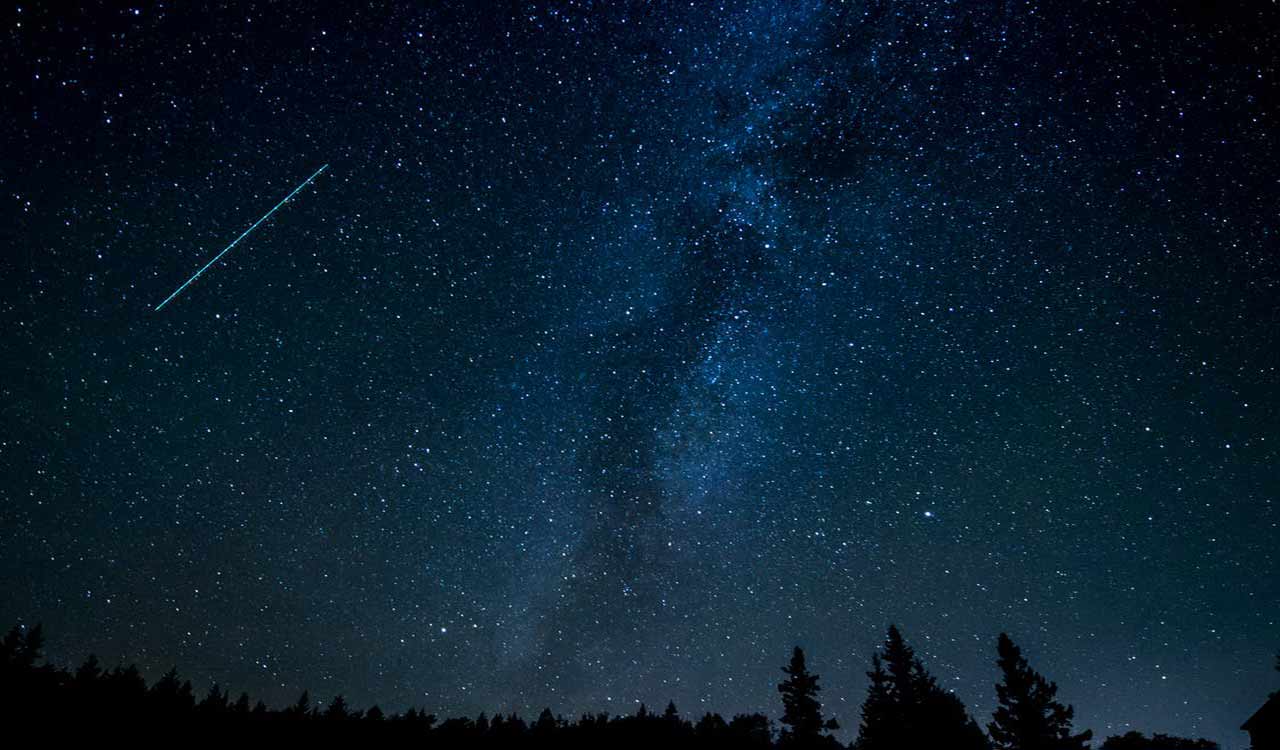
Meteor activity begins with the Southern Taurids, peaking on the evening of November 5. The Taurids are unique in presenting across two periods, with the Northern Taurids following and peaking around November 12. Both showers originate from debris of comet Encke. The Leonid meteor shower peaks on the evenings of November 17-18, with an expected rate of 3 to 15 meteors per hour. The Leonids' radiant is the constellation Leo, and this year's peak coincides with Jupiter and Mars in conjunction near the bright star Regulus.
The full moon of November, known as the Beaver Moon, occurs on November 24. This full moon is also a supermoon, appearing approximately 14% larger and 30% brighter than an average moon, according to NASA. The name traces to traditional observations of beavers taking shelter for winter, with additional Indigenous names including Frost Moon and Freezing River Moon.
Viewing conditions will be optimal around the new moon on November 9, which provides the darkest skies of the month. Saturn will be visible in the southeastern evening sky throughout November between the constellations Pisces and Cetus. The celestial display extends into December with the Geminid meteor shower peaking December 13-14, when up to 150 multi-coloured meteors per hour may be visible under dark skies.
Astronomers note that the pre-dawn period offers the best viewing opportunities, particularly during the planetary conjunction and meteor shower peaks. As always, darker locations away from urban light pollution provide the best conditions for observing these events.