

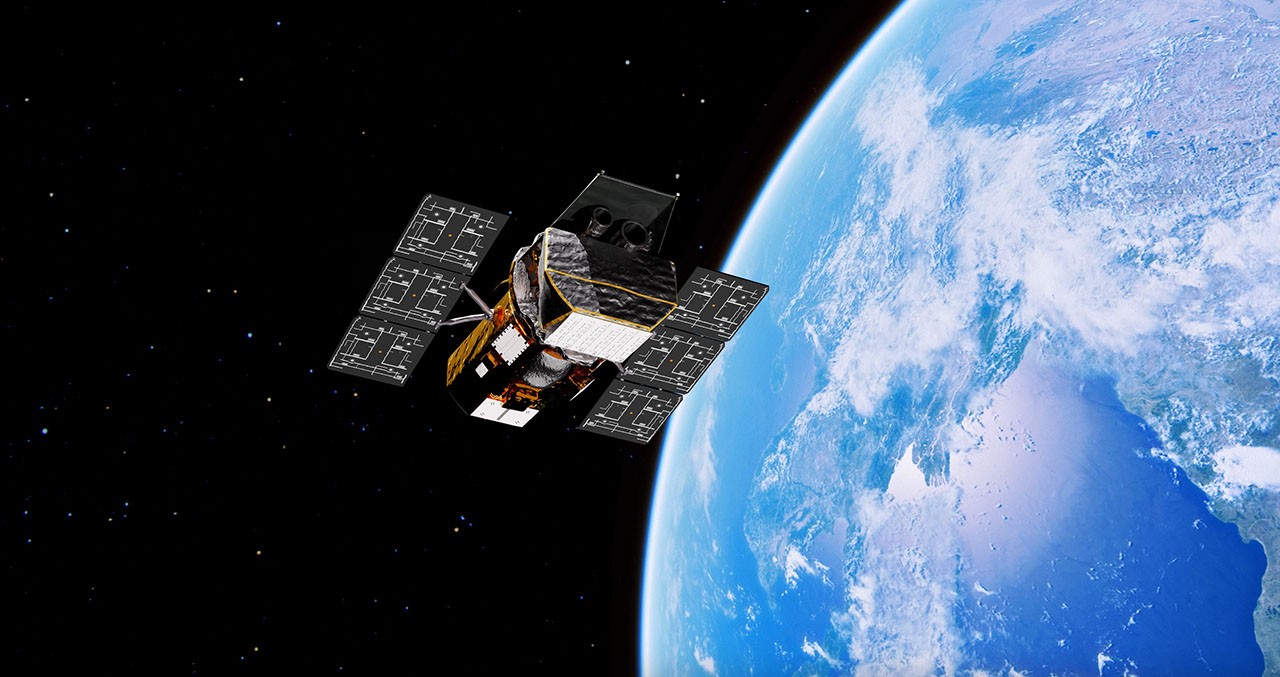
NASA's Swift Observatory, a pioneering multiwavelength observatory launched in 2004, is predicted to re-enter Earth's atmosphere on Wednesday, nearly two decades after its mission began. The 3,200-pound spacecraft, designed to study some of the most powerful explosions in the cosmos, has been descending due to intensified solar activity that expanded the atmosphere and dragged it lower over time.
Most of the spacecraft is expected to burn up as it travels through the atmosphere, but NASA says a handful of components made of denser materials such as tungsten and mirror segments could survive re-entry. Surviving fragments could re-enter between 20.6 degrees south latitude and 20.6 degrees north latitude, a zone that includes parts of Africa, Australia, India, Southeast Asia, and Central and South America.
The U.S. Space Force predicted on Monday that re-entry would occur at approximately 3:30 a.m. EST, with an uncertainty of 11 hours. NASA estimates the risk of harm to anyone on Earth at approximately 1 in 2,100, calling it unlikely.
Swift was launched on November 20, 2004, and operated for 22 years, observing more than 2,000 gamma-ray bursts and 1,400 exploding stars, as well as comets, asteroids and black hole events. During its mission, Swift served as a first responder for other space telescopes, including Hubble and Webb, providing alerts that triggered follow-up observations.
NASA enlisted the help of private company Katalyst Space last year to attempt a rescue mission. A robotic vehicle named Link was launched in July but encountered difficulties and reached no closer than 7 to 9 miles to the telescope before plunging back to Earth in September. Swift resumed observations after the rescue attempt was called off, but by late October, the telescope was too low to remain steady, and its systems were shut down.
NASA and the U.S. Space Force will continue to monitor the re-entry and provide updates to the public.
https://science.nasa.gov/blogs/swift