
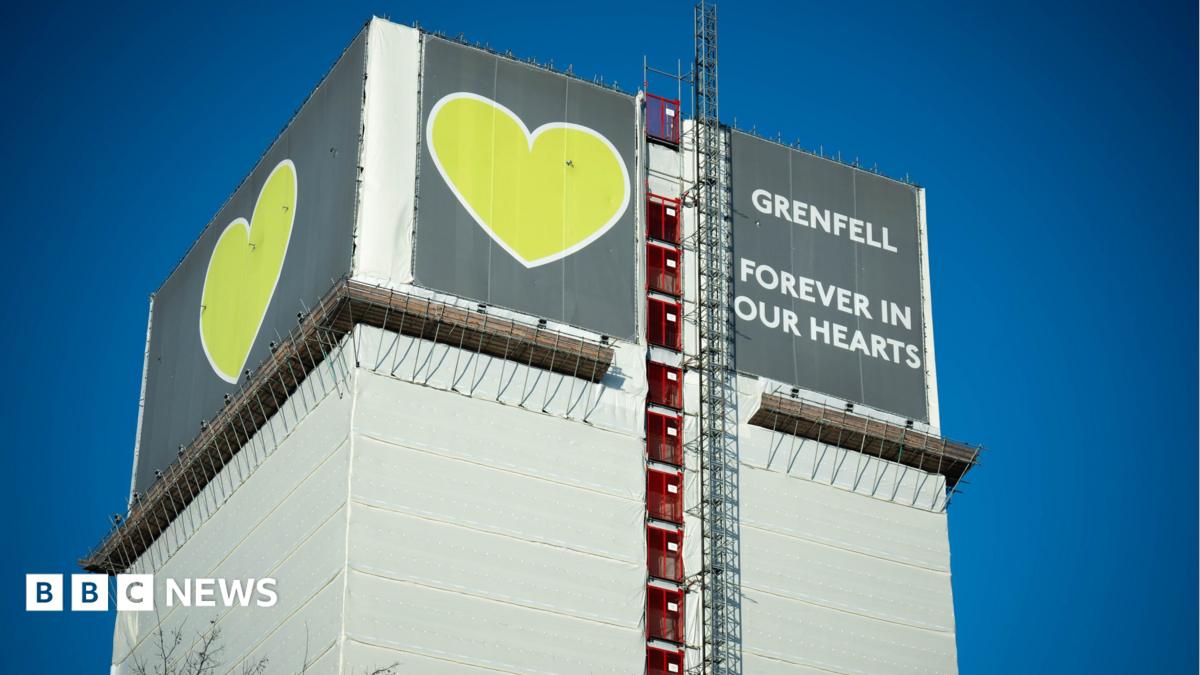
LONDON — The University of Hertfordshire has announced a research partnership with Welwyn Garden City-based construction firm Ambar Kelly to investigate the 'chimney effect' in high-rise building design, a factor that contributed to the rapid fire spread during the 2017 Grenfell Tower disaster.
The collaboration will examine how vertical shafts — including lift shafts, stairwells, service risers, cladding cavities and ductwork — facilitate the upward, downward and horizontal movement of fire and smoke when not properly sealed, maintained and compartmentalized.
Alex Bardett, managing director of Ambar Kelly, stated that while the 2017 Grenfell Tower fire led to the removal of combustible cladding, vertical riser shafts remain overlooked despite their role in vertical fire spread. A public inquiry found the fire, which killed 72 people, was avoidable.
In high-rise buildings, the chimney effect occurs when hot gases, fire and smoke rise rapidly through vertical building shafts. The university noted that lift shafts, stairwells, service risers, cladding cavities and ductwork can act like chimneys if they are not properly sealed, maintained, compartmentalised and fire stopped.
The partnership is described as addressing 'one of the construction industry's most overlooked safety problems.' Researchers will analyze the phenomenon and develop improved sealing, maintenance and fire-stopping methods for vertical shafts in high-rise construction.
The Grenfell Tower fire in June 2017 prompted widespread reform of building safety regulations. This new research aims to build on those reforms by addressing remaining vulnerabilities in vertical building design.
