

JERUSALEM — Prime Minister Benjamin Netanyahu's Likud party is considering refusing to recognize the results of Israel's recent election and voting against their certification by the Central Elections Committee, a move that would be unprecedented in Israeli history.
The party's stance comes as Netanyahu addressed supporters at Likud campaign headquarters on election night. The Likud decision to potentially reject the vote tally marks a significant escalation in post-election rhetoric, though legal experts and the election committee itself have emphasized that such an action would face insurmountable procedural barriers.
The Basic Law: The Knesset does not allow the publication of election results to be delayed, and the Central Elections Committee's role in certifying them is purely technical. Any vote to reject the results would likely be swiftly overturned by the courts on the grounds that the committee lacks the authority to do so.
The committee's presidium consists of its chairman, Supreme Court Justice Noam Sohlberg, and deputies representing the four largest parties in the outgoing Knesset. It first approves the final vote tally, including valid and invalid ballots, the distribution of Knesset seats and the names of elected lawmakers. The figures are then submitted to the full committee, whose composition reflects the balance of power in the outgoing Knesset, for approval before publication.
Prof. Yaniv Roznai, deputy dean of Reichman University's law school, said a refusal to certify the election results would be unprecedented. "The committee's plenum is an independent body, but it is composed of representatives of the parties in the outgoing Knesset, and its decisions are made by a simple majority. It is therefore an entirely political body," he explained. Roznai said Sohlberg should make clear to committee members that they have no authority to delay certification. He also raised the possibility that parties in Netanyahu's bloc could deliberately seek a High Court ruling, allowing them to claim that judges, rather than voters, had decided the election.
Earlier, Likud had demanded that the Central Elections Committee convene to discuss the results before certifying them. Sohlberg rejected the demand, stressing that no authority has the power to prevent the publication of election results. "No authority has been granted to any party, however distinguished or senior, to withhold publication of the election results," Sohlberg wrote. "Once elections have been held, their results must be published on the date prescribed by the Basic Law."
Far-right National Security Minister Itamar Ben-Gvir's Otzma Yehudit party has announced it will vote against certifying the results. Opposition leader Gadi Eisenkot accused Netanyahu and Likud of escalating their campaign to undermine the election, calling it a direct assault on Israeli democracy. Police also said they released two of three political activists arrested before polls opened, who were connected to the Arab-led Ra'am party, which won eight seats. Ra'am leader Mansour Abbas called the arrests undemocratic and an attempt to influence the election results.
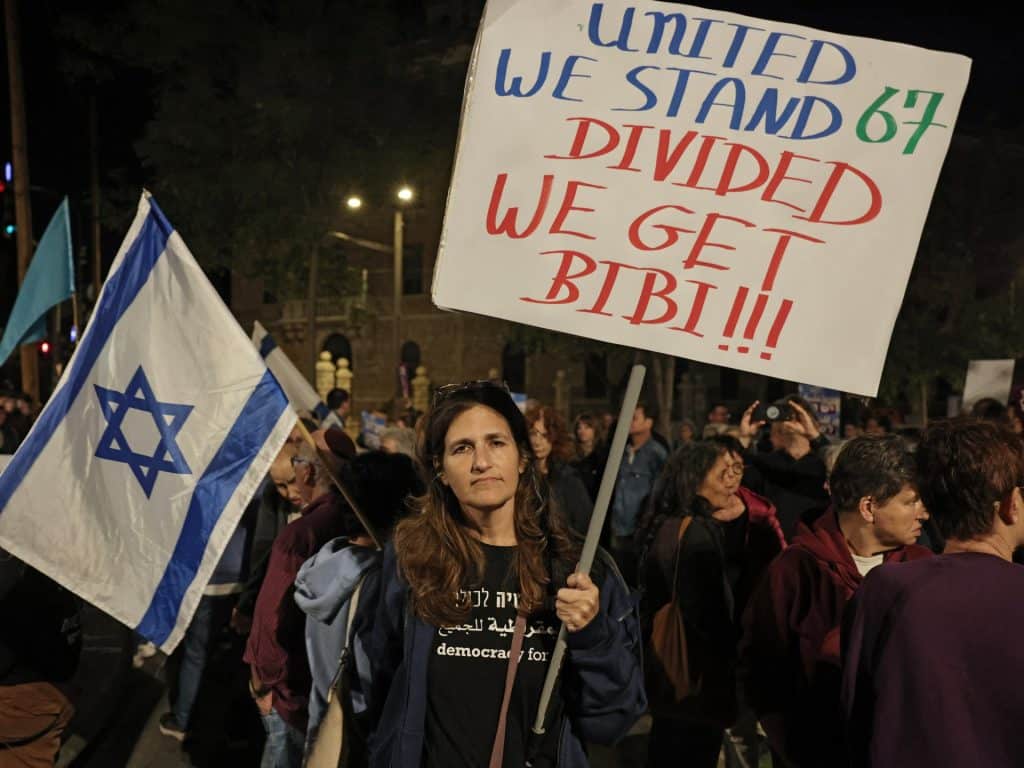
Israel's three Arab-led parties won a record 19 seats. Netanyahu's bloc won 53 seats, while Eisenkot's opposition bloc won 48 in the 120-seat parliament. A coalition with Eisenkot would have 67 seats. Qatar rejected allegations of funding Arab-led parties as a disinformation campaign. The results are due to be officially certified this week, after which President Isaac Herzog must nominate a candidate to form a government.
