
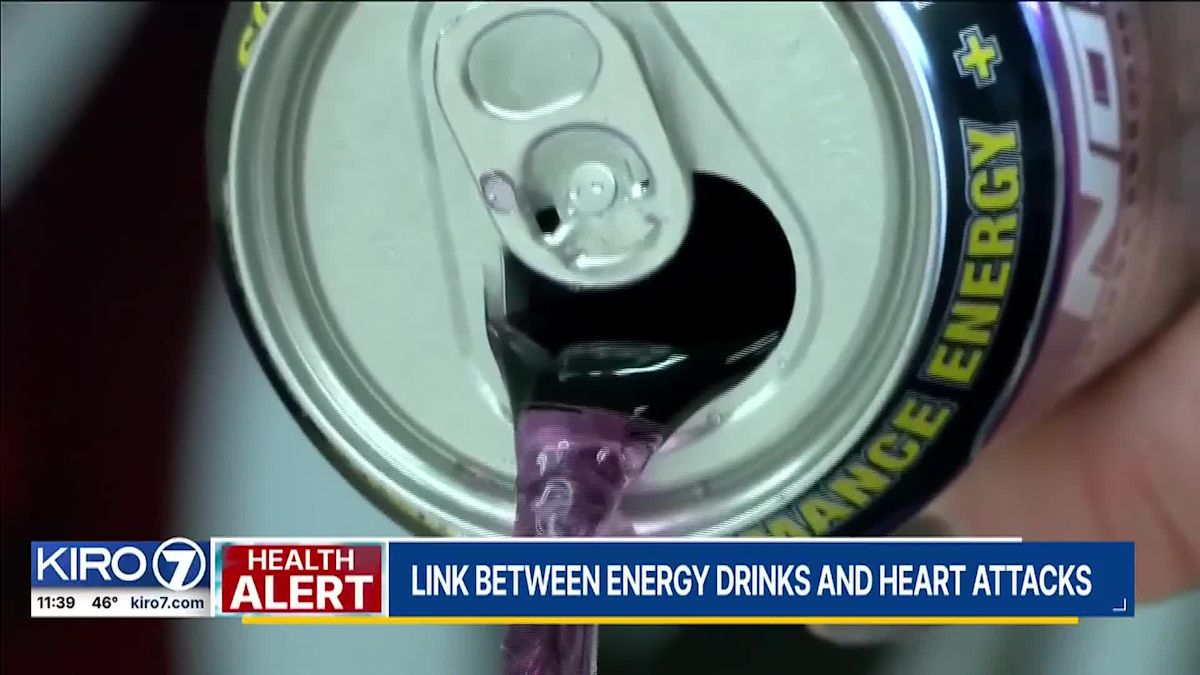

DALLAS — Caffeinated energy drinks and stimulant supplements appeared disproportionately more often in FDA reports of serious cardiovascular events, including cardiac arrest and heart attacks, especially among adults ages 18 to 34, according to preliminary research to be presented at the American Heart Association’s Scientific Sessions 2026. Researchers analyzed 28,345 adverse-event reports submitted to an FDA safety database from 2017 to 2025. Of those, 854 reports mentioned caffeine or stimulant-containing energy drinks or dietary supplements. Researchers compared these with 27,491 reports about products without caffeine or other stimulants. The analysis found cardiac arrest was reported about 11 times more often in connection with caffeine- and stimulant-containing products versus products without these ingredients. Reports involving energy drinks and supplements were about 4.5 times more likely to include heart attacks and four times more likely to include ventricular arrhythmias or heart palpitations. Similar patterns existed for elevated heart rate, chest pain and fainting. About 45 percent of reports linking caffeine- and stimulant-containing products to cardiovascular events involved adults ages 18 to 34. The study authors emphasized the analysis identified only voluntary self-reported associations and cannot prove these products directly caused any heart conditions. Researchers said the pattern among young adults may reflect consumption frequency, consumption contexts such as before intense exercise or mixing with alcohol or drugs, and undiagnosed heart conditions. The findings support the case for more systematic safety monitoring of caffeine- and stimulant-containing products, researchers said. Healthcare professionals should remember to ask their younger patients who have palpitations, chest pain or fainting spells if they recently or regularly consume these products. The research abstract was presented at the American Heart Association’s scientific meeting and is considered preliminary until published in a peer-reviewed journal.

News Monitor
