
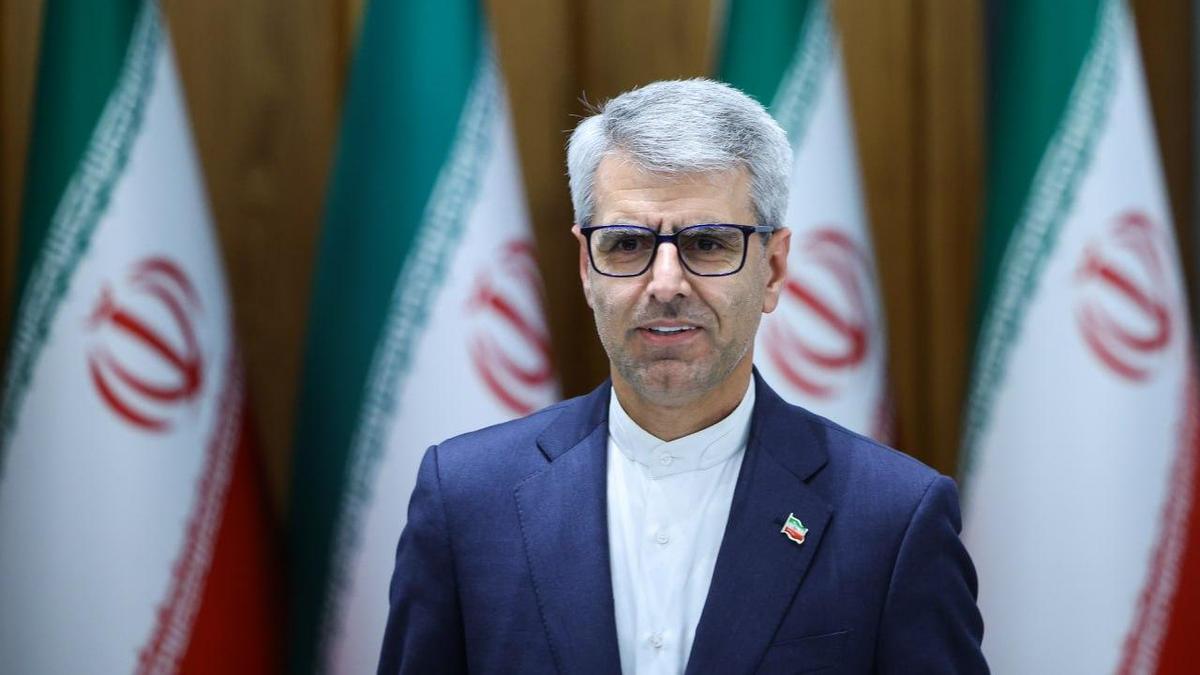
DUBAI/TEHRAN — Iran said on Monday it was ready to reopen the Strait of Hormuz within two days if the United States accepts its conditions, a senior foreign ministry official said, as U.S. President Donald Trump issued fresh bellicose warnings at midterm election rallies.
The offer, described as a sign of good faith, follows intense mediation efforts by regional and international actors to prevent a return to war. Iran has blockaded the vital energy corridor since the war began in February, a move that has sent energy prices soaring and posed an electoral challenge for Trump, who told voters in Iowa on Tuesday that he wanted to be nice but at some point would have to give Iran 'the hammer'.
In September, Iran proposed a seven-day plan to reopen Hormuz if the U.S. agreed to demands including ending the war on all fronts, unfreezing Iranian assets, lifting oil sanctions and ending its counter-blockade of Iranian ports. Foreign Ministry spokesman Esmaeil Baqaei said messages were being exchanged with the United States via mediators, adding that everything depends on the U.S. side accepting the Iranian demands.
"The possibility of implementing this plan in two days is another indication of Iran's good-faith approach," Baqaei told reporters.
Regional mediators have been active. Oman's ruler Sultan Haitham bin Tariq discussed the situation with Chinese President Xi Jinping, calling for disputes to be resolved through political and diplomatic means and urging the United States and Iran to pursue a peaceful path to prevent war entirely. Chinese Foreign Minister Wang Yi told a senior Iranian official that Beijing supports Tehran in safeguarding its sovereignty and security. Regional officials from Pakistan, Qatar, Saudi Arabia and Turkey have held talks with Iran, while U.S. Vice President JD Vance sent a letter to Tehran.
At the midterms on Tuesday, Democrats expect to win at least partial control of Congress, which would impose political constraints on Trump for the first time in two years. Trump's 'hammer' comment is the latest threat to Tehran from the U.S. and Israel, whose joint attack marked the start of the war on Feb. 28. On Oct. 31, Trump said he still had to 'take care' of one or two targets including Pickaxe mountain in central Iran, which he described as a suspected nuclear site that Tehran denies is such a facility.
Iranian Foreign Minister Abbas Araghchi said Washington must accept a new route agreed between Iran and Oman for transiting the strait, remove recently imposed sanctions and reduce American troop numbers in the region.
