



BEIJING -- China intensified its diplomatic engagement in the Middle East this week, with Foreign Minister Wang Yi meeting Iranian official Ali Bagheri Kani and President Xi Jinping hosting Oman's Sultan Haitham bin Tariq for the first state visit by an Omani leader since 1978.
Wang told Bagheri Kani that dialogue and negotiation remained the only viable path forward as regional conflicts drag on and risk further spillover, reaffirming China's support for Iran's sovereignty and security. Beijing has consistently attributed responsibility for the conflict to the United States and Israel.
Later Monday, Xi received Sultan Haitham at the Great Hall of the People. Xi said the Middle East and Gulf should not become an arena for great-power rivalry and geopolitical conflict. The two countries signed 14 cooperation agreements covering artificial intelligence, green energy and supply chains, along with a currency swap agreement. In a joint statement, China and Oman called for safe navigation to resume through the Strait of Hormuz and urged the United States and Iran to restart dialogue.
Oman, positioned across from Iran on the strategic Strait of Hormuz through which one-fifth of global energy exports passed before the conflict restricted traffic, is a key transit point for China, one of the world's largest energy importers.
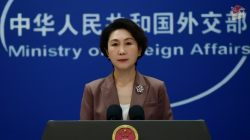
Reflecting the step up in activity, China's Ministry of Foreign Affairs announced that special envoy Zhai Jun will visit Iran, Oman and Saudi Arabia this month. The visits underscore Beijing's push for a bigger diplomatic role in a region where it has long maintained close ties with Tehran while expanding engagement with Gulf states.
The visits come as China seeks to position itself as a mediator in a conflict that has disrupted energy supplies and raised concerns about regional stability.