
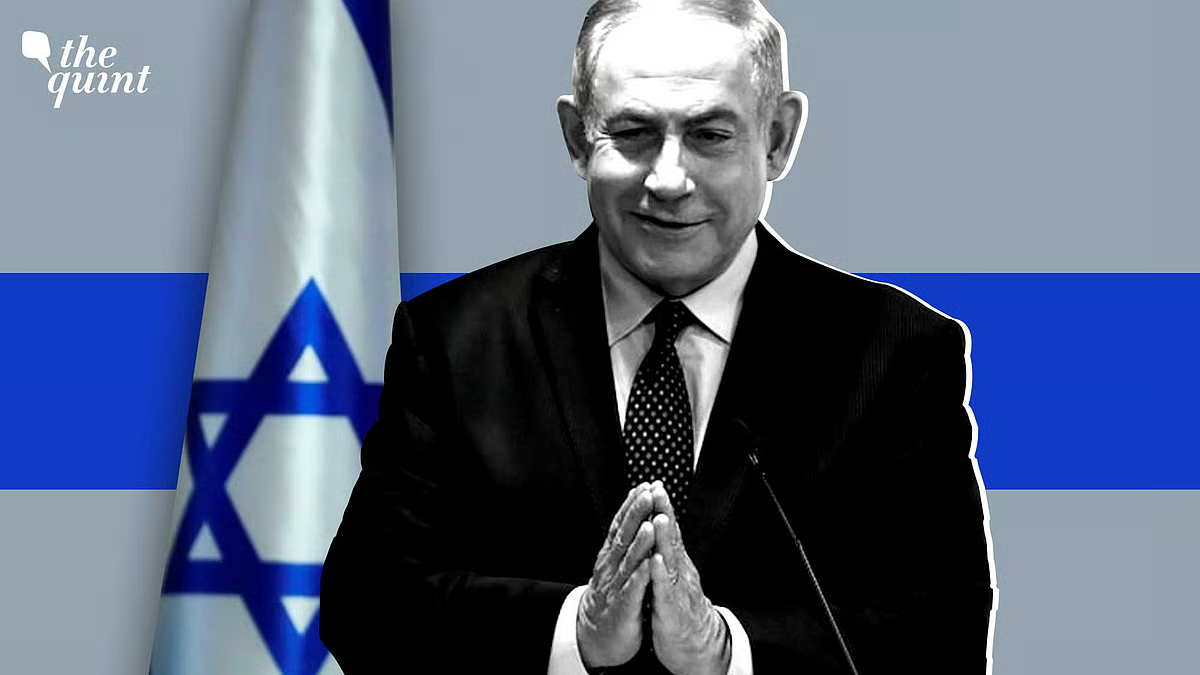
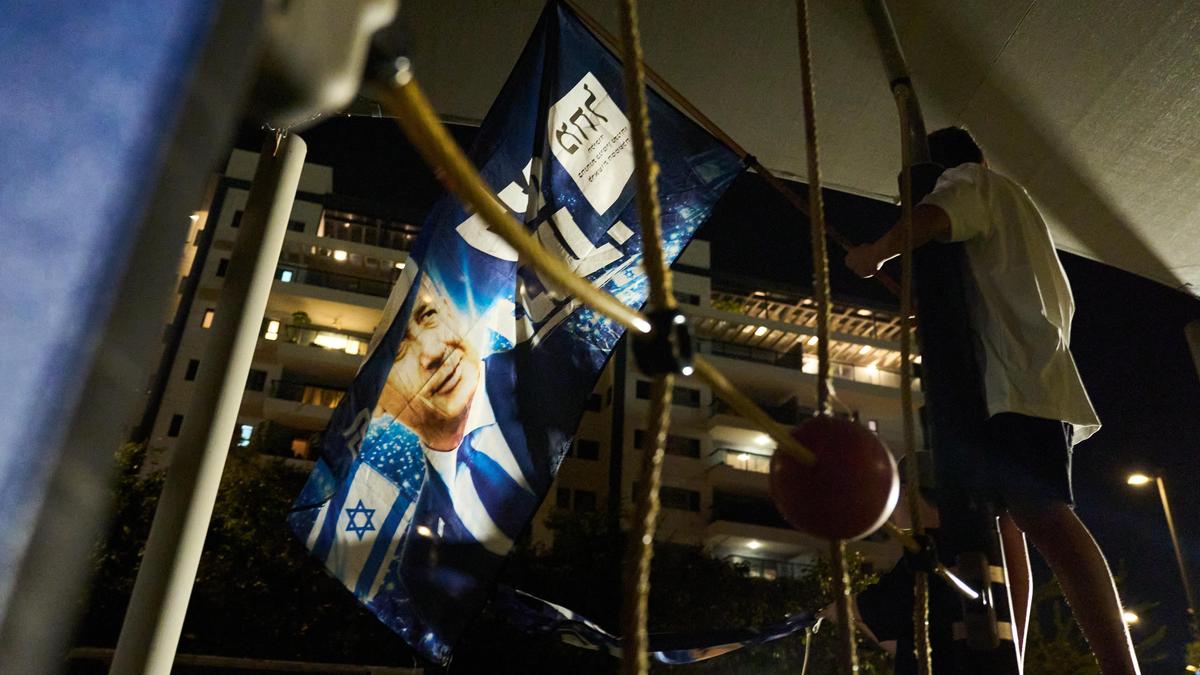
JERUSALEM - Israel's Knesset election produced a hung parliament on Tuesday, with neither Prime Minister Benjamin Netanyahu nor opposition leader Gadi Eisenkot achieving the majority needed to form a government, official results showed.
Netanyahu's right-wing bloc won 53 seats and Eisenkot's centrist alliance secured 48, with Arab-led parties capturing 19 seats in the 120-member legislature. A clear majority requires 61 seats.
The inconclusive outcome, described by stakeholders as disappointing, risks leaving Israel without a stable government. Both Netanyahu and Eisenkot aggressively ruled out seeking support from Arab-led parties during their campaigns, despite the historic 19-seat victory for the Arab bloc.
Voter turnout reached 77.7 percent, a nearly one-tenth increase from previous elections, with nearly half a million new voters having come of age since the 2022 vote. The electorate of 7.3 million people cast ballots across 38 officially recognised political parties on a proportional representation basis.
The result marks a significant shift in Israel's political landscape, with the Arab-led performance representing a notable outcome in a system where Jewish parties have historically been reluctant to form coalitions relying on Arab support. The coming weeks will likely see intensive negotiations as parties explore potential arrangements to break the deadlock.