

DUBAI/TEHRAN - Iran has proposed an accelerated ceasefire plan with the United States, offering to reopen the Strait of Hormuz within two days if Washington agrees to Tehran's demands, officials said Sunday, as regional mediators intensify efforts to prevent a return to war.
The announcement comes as U.S. President Donald Trump warned Iran of potential consequences after the November 3 midterm elections, telling supporters the United States could strike Iran if negotiations fail.
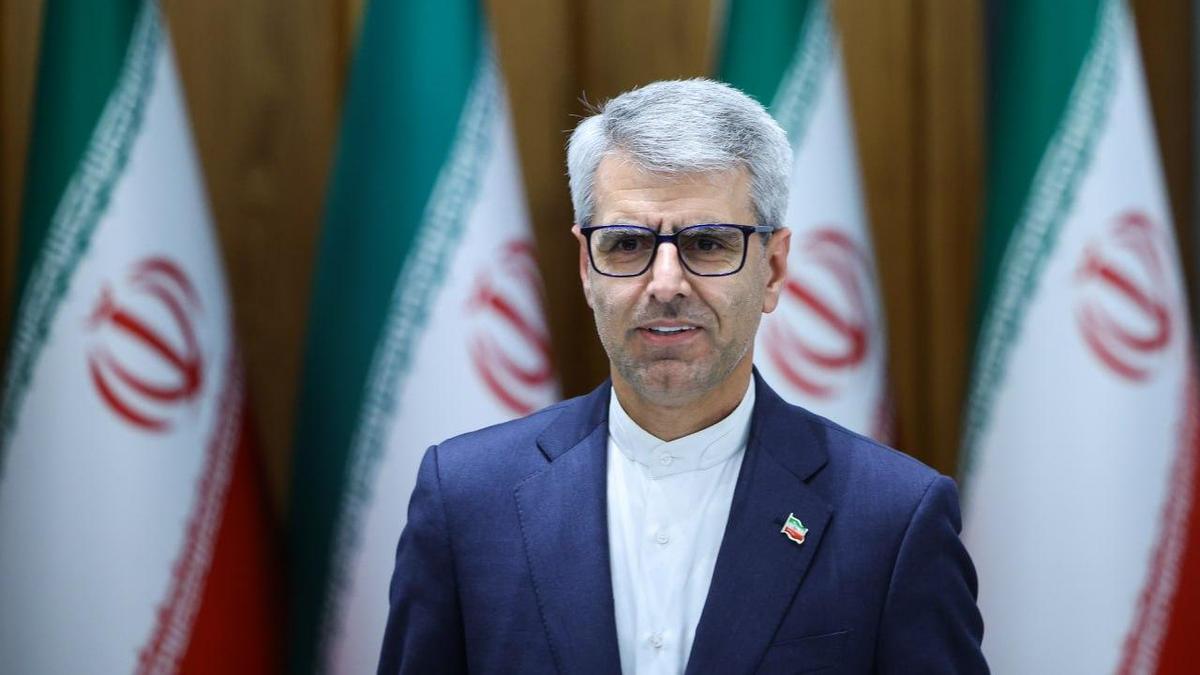
Foreign Ministry spokesman Esmaeil Baqaei said the seven-step plan proposed by Iran last month remains the same but can now be implemented more quickly, condensing the timeline from seven days to just two. Iran's demands include lifting the naval blockade of its ports, repeal of sanctions, a guarantee of an end to strikes and a complete regional ceasefire, especially in Lebanon.
"The possibility of implementing this plan in two days is another indication of Iran's good-faith approach," Baqaei told reporters. "We have stated that, if Iran's demands are met, it would be possible to restore security to the Strait of Hormuz and resume the negotiating process within a short period."
Iran has blockaded the Strait of Hormuz since the war started in February, sending energy prices soaring and posing an electoral challenge for Trump. The narrow gateway to the energy-rich Gulf normally carries one-fifth of global oil consumption.
During final rallies for the U.S. midterms on Tuesday, Trump struck a belligerent tone, warning Iran to expect "the hammer."
"The only reason why I'm not finished with Iran is I want to be nice. I want to try and save all those lives if I can... But at some point we're going to have to give them the hammer," he told voters in Iowa.
Trump said the war on Iran will end "very soon one way or the other," saying Tehran would either "make a deal or we'll just end it."
Chinese Foreign Minister Wang Yi told senior Iranian official Ali Bagheri Kani that Beijing supports Tehran in "safeguarding its own sovereignty and security," urging all parties to focus on a political solution rather than resorting to armed conflict.
Oman's Sultan Haitham bin Tariq discussed the war with Chinese President Xi Jinping, calling for resolving disputes through political and diplomatic means and urging the United States and Iran to pursue a peaceful path.
Iranian Foreign Minister Abbas Araghchi reiterated that Tehran is prepared for both diplomacy and military confrontation, as mediators Qatar and Pakistan continue to facilitate indirect talks.
The development highlights the ongoing diplomatic efforts to find a path out of the eight-month conflict, though significant conditions remain on both sides.
