
WASHINGTON — With the US midterm elections approaching, Corporate America is bracing for a potential shift in the balance of power in Washington, prediction markets showed on Saturday.
Polymarket, the world's largest prediction market, gave a 72% odds of a Democratic sweep, while the Republican Party holding on to the Senate and the Democratic Party winning the House of Representatives stood at 23%. The chances of Republicans retaining the Senate and the House are a poor 6%, according to the data.
A Reuters/Ipsos poll published alongside the market data showed President Donald Trump's approval ratings at a career low amid voter concerns over the cost of living and the war with Iran.
Even a divided Congress would give Democrats more control over investigations and funding, but it would still have to overcome any veto from Trump, analysts said.
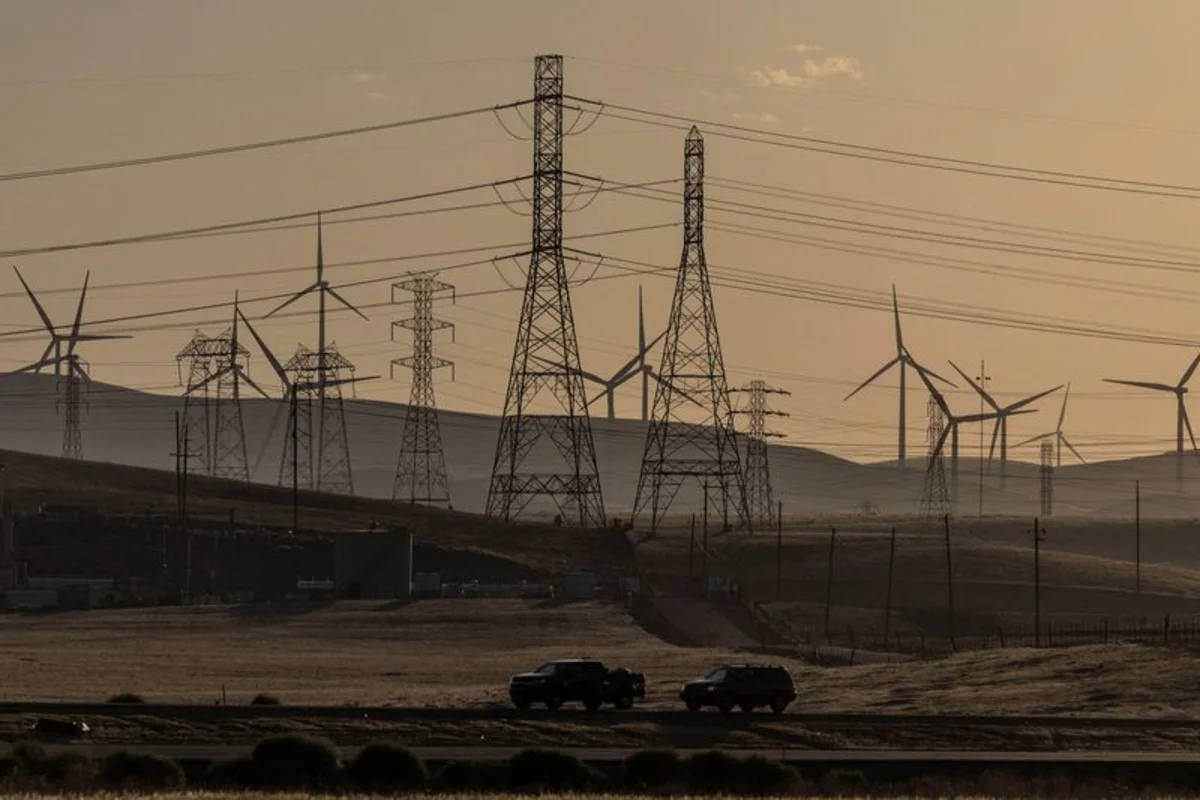
Investors are closely watching key sectors as they position for potential policy shifts. A strong Democratic showing could reinforce expectations that federal support for clean-energy development will remain in place, benefiting companies such as First Solar, Sunrun, Enphase Energy and NextEra Energy. The Democratic-controlled Congress passed the Inflation Reduction Act in 2022, devoting hundreds of billions to climate and energy-security measures, including expanded tax credits for renewable energy, nuclear power and electric vehicles.
In the event of a divided government, brokerage UBS sees room for bipartisan legislation to speed up energy and infrastructure approvals and expects nuclear power to get backing from both sides.
Democrats plan to scrutinize the Trump administration's efforts to roll back emissions rules and could use the Congressional Review Act to overturn regulations that make it easier to sell gas-powered trucks and SUVs. Automakers Ford, General Motors and Stellantis, which have scaled back EV plans and lobbied for looser rules, could face pressure.
UBS said the Trump administration would continue to implement the 21st Century ROAD to Housing Act, which Congress passed in late June, to increase the availability of affordable single-family homes. If Democrats take both chambers, they could add affordability measures, including restrictions on large institutional landlords, though those would still face Trump's veto, UBS said.
Analysts and strategists say clean energy, housing and healthcare stocks could benefit from a strong Democratic showing, while AI, data center and defense names may draw greater scrutiny from lawmakers.
The midterm elections represent a pivotal moment for sector policy directions, with market participants weighing the potential implications of different congressional compositions on regulatory environments and federal funding priorities.
