


TEHRAN — Iranian state media reported Saturday that two fishermen missing since earlier that day have been found, following what Iran described as a U.S. attack on their fishing vessel in the Strait of Hormuz.
A provincial official cited by Iranian state television said the fishermen had gone missing after an attack by the United States on their boat near Qeshm Island, and that two other fishermen were wounded in the incident. The White House and the Pentagon did not immediately respond to requests for comment.
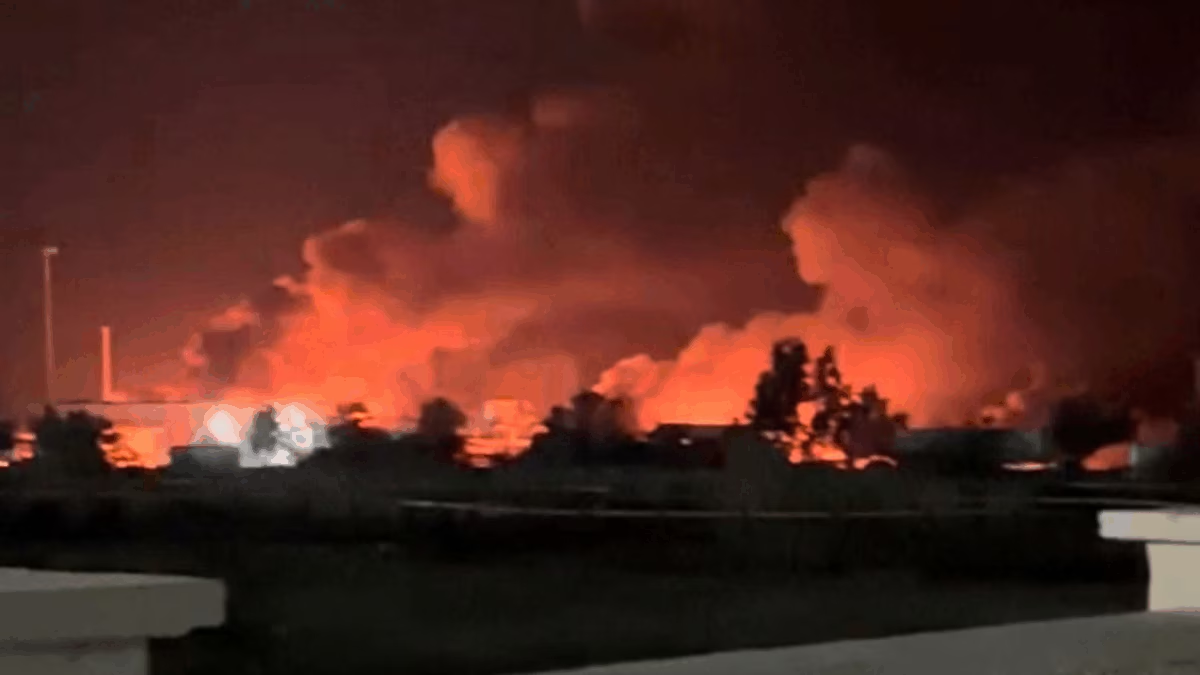
The reported attack came as Iran's Supreme Leader ordered the armed forces to respond immediately and without geographic limits to any enemy threat. Later that weekend, on Monday, Iranian state media reported five explosions on Qeshm Island and blasts in the nearby port city of Bandar Lengeh, though authorities have not confirmed the cause. Residents reportedly spotted two aircraft flying overhead before the blasts.
Iran's Islamic Revolutionary Guard Corps claimed to have downed two American MQM-170 reconnaissance drones over southern Qeshm Island using advanced electronic warfare systems, bringing the total number of such drones captured by Iran to four. The IRGC Aerospace Force also said it had intercepted and destroyed a U.S. MQ-9 drone east of the Strait of Hormuz using an advanced air defence system.
U.S. President Donald Trump indicated on Truth Social that a deal with Tehran could be within reach, writing that Iran was keen to end the conflict as soon as possible. On Monday, Trump added on the platform that oil prices were dropping significantly because people felt a war with Iran would be avoided.
Iranian Foreign Ministry spokesperson Esmaeil Baqaei said Tehran could reopen the strategically important Strait of Hormuz within the next two days, provided Washington agrees to a series of conditions put forward by Iran, including ending hostilities across all fronts, releasing frozen Iranian assets, removing oil-related sanctions and lifting the U.S. blockade of Iranian ports. The waterway serves as a crucial export route for energy supplies from the oil-rich Gulf region.
The developments unfolded amid heightened regional tensions and on the eve of the U.S. midterm elections, with Iranian officials and U.S. political figures offering competing assessments of the situation in the critical waterway.
