



WASHINGTON — The 2026 US midterm elections are on track to be the most expensive in American history, with total projected spending reaching $11.9 billion, according to OpenSecrets.
The surge in spending reflects a historic concentration of wealth among a small group of donors. By mid-October, more than $9.5 billion had already been spent, surpassing the $11.2 billion spent in the 2024 presidential election. The top 40 contributors had given $2.4 billion by mid-October—seven times the amount given by the top 40 in 2014, adjusted for inflation—and more than 50 percent higher than the $1.6 billion given by top donors in the entire 2022 cycle.
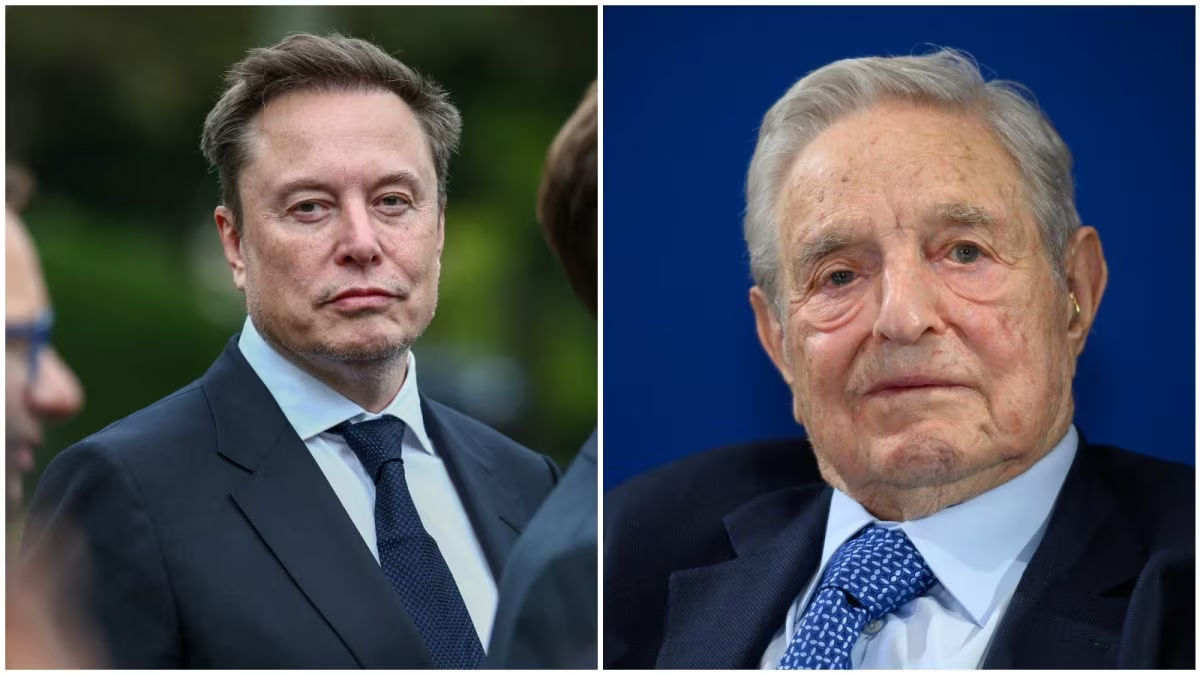
Elon Musk emerged as the single largest individual donor, contributing nearly $500 million to Republican-aligned causes through his political action committee America PAC and the Senate Leadership Fund. Much of Musk's spending was focused on Texas Senate races, where his backing helped support Republican candidate Ken Paxton. George Soros-backed organizations contributed $102 million to liberal groups, while Michael Bloomberg donated more than $60 million to Democratic candidates. On the Republican side, Jeff Yass and the Uihlein family (Richard and Elizabeth) collectively contributed more than $100 million to conservative causes.
Dark money groups, which are not required to disclose their donors, accounted for an unprecedented 29% of the top 40 donors' contributions, totaling $699 million through mid-October. This represents a significant increase from 17% in 2014, when dark money's share was considerably smaller. Crypto interests gave $304 million to Super PACs promoting the industry's interests, while AI-related donors, including Musk, Marc Andreessen, Ben Horowitz and Michael Bloomberg, gave over $650 million collectively.
The composition of top donors has shifted significantly over the past decade. The traditional finance industry's share of top 40 giving declined from almost half in 2014 to just 15% this cycle. Labor unions, which once provided 14% of top-40 giving in 2014, disappeared from the top 40 entirely. The real estate industry's contributions relative to other industries sank from 10% of top donor giving in 2014 to just 1% this cycle.
A June 2026 Supreme Court decision removing limits on coordination between political parties and candidates helped Republican committees raise more than $48 million for small but crucial races, dwarfing the $4 million additional amount raised by Democrats. Super PACs accounted for more than $5.5 billion in spending by mid-October, 51% higher than the last midterm cycle adjusted for inflation.
Despite the massive spending surge, polling shows minimal results from deluges of attack ads in competitive races. The Brennan Center's Ian Vandewalker warned the trend makes the system less egalitarian: 'In a democracy, it's supposed to be one person, one vote, and the more one person can influence, the less egalitarian our system becomes.' With new industries like AI and cryptocurrency donating heavily to both parties and mega-donors like Musk contributing at levels that look like 'a business investment,' the foundation for the 2028 election cycle is already being set.