

Emergency warning applications in Russia and Ukraine were targeted by cyber attacks following the end of a localized ceasefire in the Kherson region, officials from both sides said Sunday.
Ukraine's Air Alarm system was compromised, prompting false alerts of a radiation threat across Kyiv. Ukraine's air force confirmed the app had been subjected to hostile interference, stating explicitly: "There is no radiation threat." Hours later, Russia's emergencies ministry said its app was hit by a massive cyber attack enabling attackers to send false information to the public, including claims of nuclear strikes.
The cyber attacks followed the end of the longest truce of the war in Ukraine's eastern Kherson region. Russia refused an offer to extend the ceasefire, which had been mediated by US First Lady Melania Trump and began last Tuesday. The truce had enabled a humanitarian mission to the Russian-occupied city of Oleshky, resulting in the evacuation of nearly 800 people, Ms. Trump said on X.
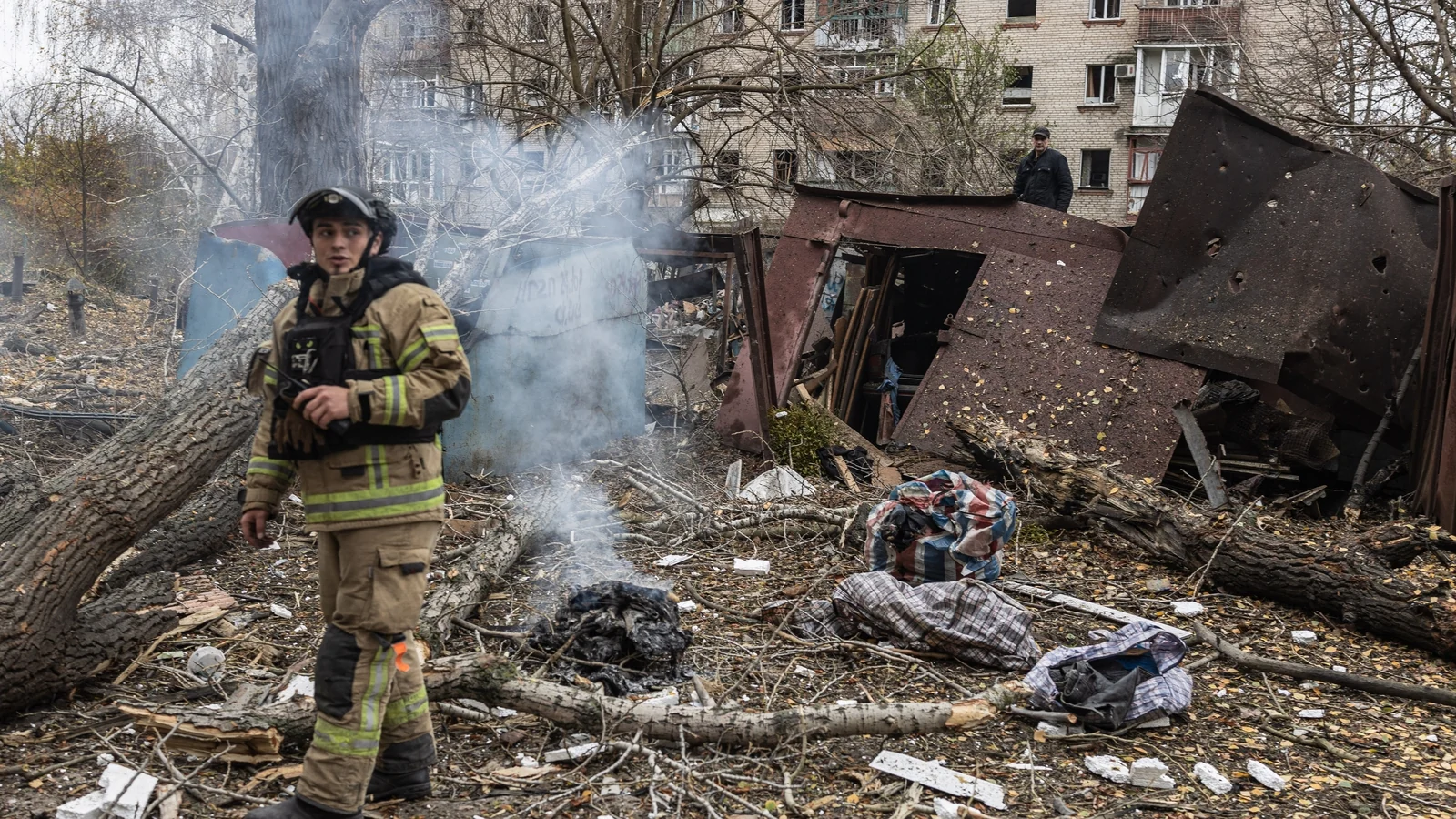
After the ceasefire ended, Russia resumed drone and shelling attacks on the Kherson region. Local authorities said a Russian drone attacked a car in the Korabelny city district at around 8 a.m., wounding a 62-year-old woman and a 73-year-old man. Ukraine's General Staff said Russian forces used the humanitarian pause to strengthen military positions, rotate units, expand fortifications and increase logistics activity, including ammunition deliveries.
Russia and Ukraine also exchanged strikes elsewhere. Ukraine reported that its forces attacked the Kstovo oil refinery east of Moscow, while Russia said a drone struck an industrial enterprise east of Moscow overnight. Ukrainian President Volodymyr Zelensky said his country would stop hitting Russian oil refineries if Washington provided Kyiv with powerful Patriot interceptor missiles. Ukraine's energy ministry reported fresh power outages across the country, including in Kyiv, following Russian strikes on Ukrainian energy infrastructure.
The incidents highlight the persistent and multi-dimensional nature of the conflict, with both digital and physical infrastructure targeted as hostilities persist into the fifth year of the war.