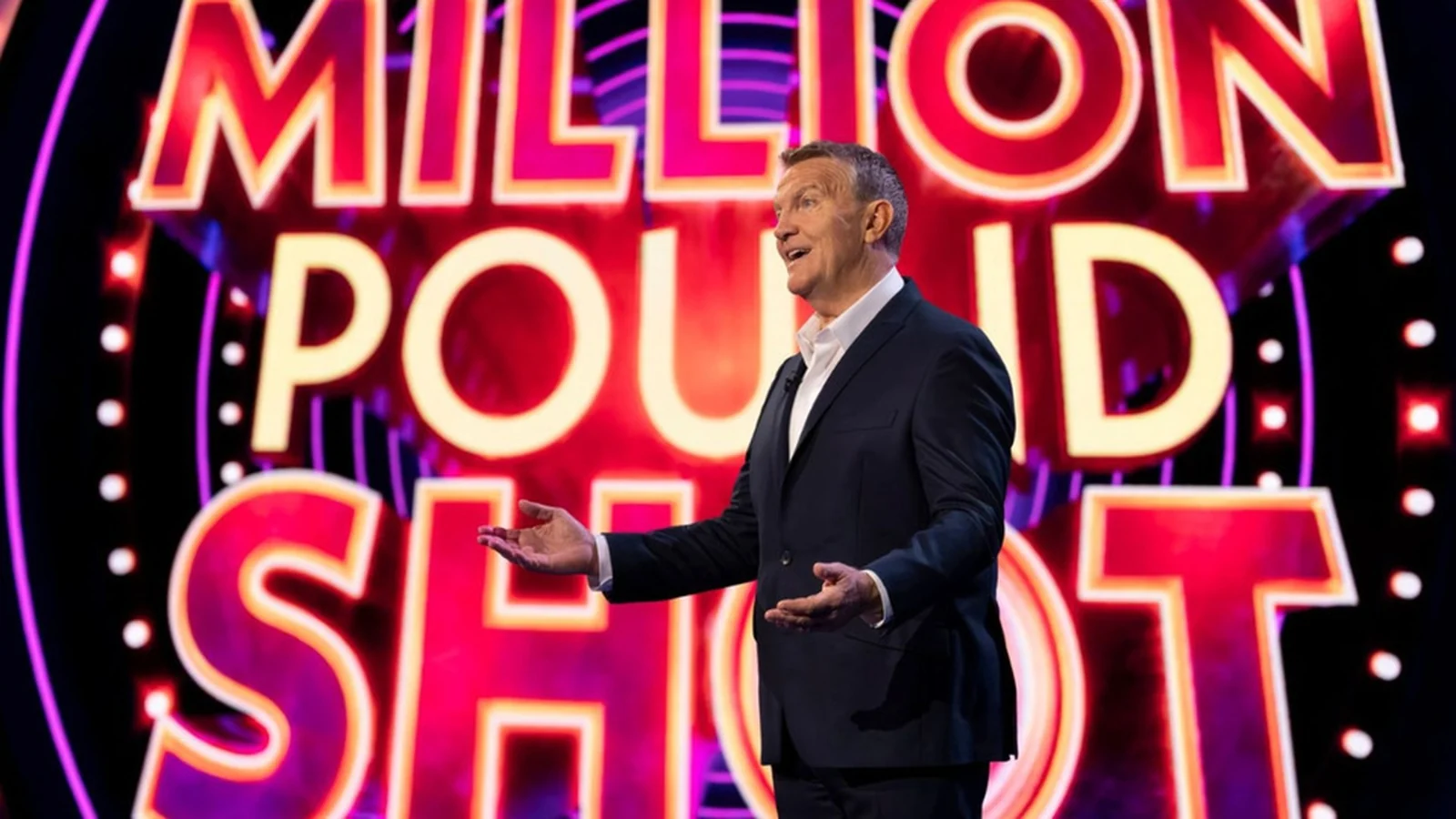
LONDON — Bradley Walsh has revealed that Channel 4's new gameshow Million Pound Shot was staged to highlight tactics used by the gambling industry. The programme, which aired on Sunday night, was presented as a quiz in which contestants could win £1 million by risking their own money. However, the show took a dramatic turn when contestant Reece appeared to lose thousands of pounds, prompting members of the studio audience to object. As tensions escalated, Reece and his girlfriend appeared distressed and were led off stage. Following an advertising break, Walsh revealed that the scenes had been staged, telling viewers: "Everything you've seen tonight draws on the techniques used by the gambling industry." Walsh explained that the contestants, a floor manager and an audience member who challenged the show's format, were all actors, while the rest of the studio audience had been unaware of the deception. The character of Reece was inspired by the real-life experiences of Patrick, a former teacher who developed a gambling addiction while at university. Patrick, who shared his story during the programme, said he had accumulated around £250,000 in debt over 13 years before placing his final bet in 2018. Following the broadcast, Walsh took to Instagram to explain why he had taken part in the project. "I know it was a bit of a shock at first, but this is a vital subject and that’s exactly why I wanted to do it," he said. "A huge thanks to the incredible experts and gambling harm charities who helped shape the show, and to Patrick and (his partner) Charlotte for so bravely sharing their stories." He added: "I hope everyone who watched is feeling okay, and has come away knowing a bit more about the techniques of the gambling industry." Will Prochaska, director of the Coalition to End Gambling Ads, who appeared in the programme, said it had been distressing to watch despite knowing the events were staged. "The show depicts the abusive tactics used by gambling companies to get people hooked, and the damage they cause to people and their families," he said. The broadcast has renewed scrutiny of how gambling-related content is presented in mainstream media and the responsibilities of broadcasters in addressing gambling harm.

News Monitor