


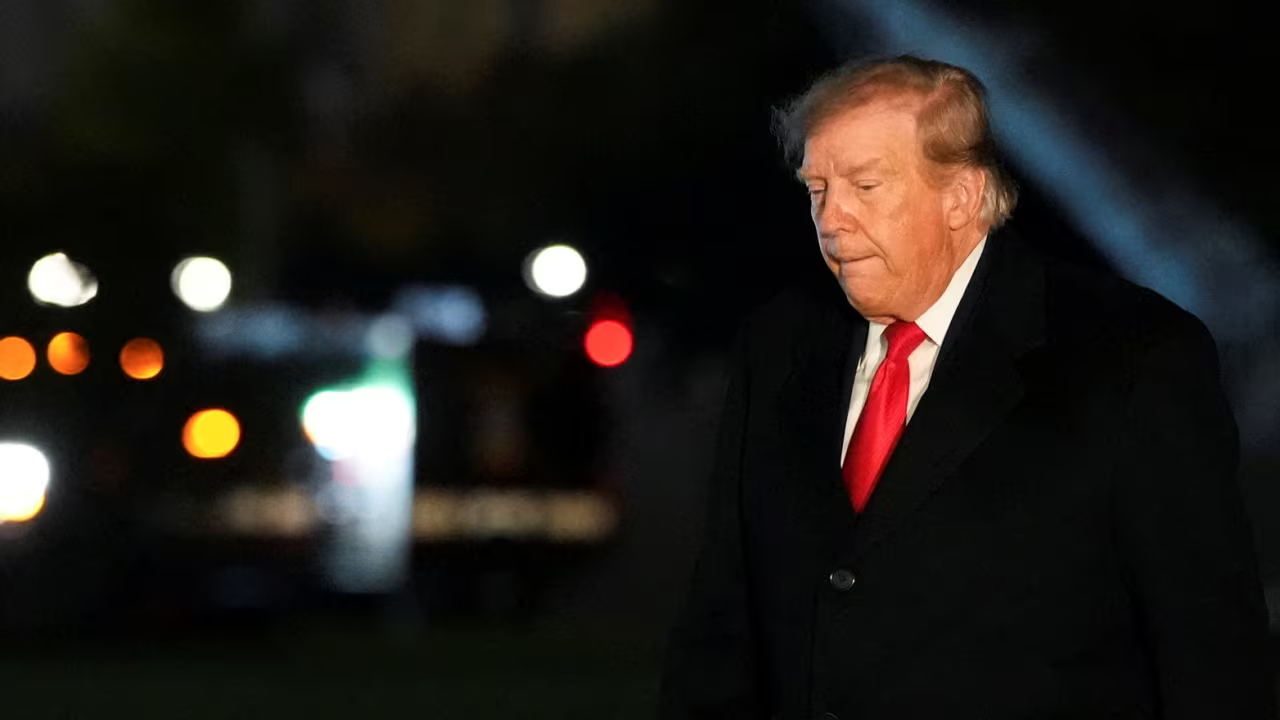
WASHINGTON/NEW DELHI — The November 3, 2026 US midterm elections will test Donald Trump's political strength during his second term, but for India the stakes extend well beyond who controls Capitol Hill.
Key concerns for New Delhi include bilateral trade negotiations, the inward-looking impulses of Trump's Make America Great Again agenda, and Washington's relationship with Pakistan. While divided congressional control is a likely outcome, analysts warn that even a Democratic victory would not automatically reverse Trump policies but would increase political scrutiny and oversight.
On trade, a February 2026 framework reduced punitive American tariffs on most Indian goods from 50% to 18%, yet negotiations remain fragile. India has indicated it will not sign a deal in a hurry, prioritizing competitive tariffs, predictability and mutual benefit over politically convenient deadlines. The United States remains India's largest export market, with Indian goods exports rising to $42.79 billion in April-August 2026 from $40.39 billion in the corresponding period a year earlier, yielding a trade surplus of nearly $34 billion in FY26. Pharmaceuticals and smartphones, significant Indian export categories, are not covered by the existing 10% baseline levy.
On immigration, Trump administration restrictions on the H-1B visa programme and student admissions could clash with Indian interests. A change in congressional control would not automatically reverse these policies but could heighten scrutiny and push for legislative discussion.
Regionally, closer US-Pakistan relations represent a security concern for India. Islamabad's interest in upgrading American-origin equipment, including F-16 fighters, combined with Chinese military supplies, could strengthen Pakistan's capabilities. A substantial American military build-up around the North Arabian Sea and Gulf of Oman — including aircraft carriers, marine and amphibious forces, and Patriot missile-defence systems — has been interpreted as evidence that renewed military action against Iran remains a possibility. Iranian interlocutors have conveyed a desire for revenge rather than fear of further retaliation, making any escalation especially difficult to predict.
On the broader strategic front, the election outcome could influence Washington's relationships with Moscow and Beijing. Whether the US can draw Moscow away from Beijing would serve Indian interests while raising difficult questions for Europe. India and Turkey are working to bring Russia and Ukraine toward dialogue and a ceasefire, and on Ukraine there is greater American recognition of the need for negotiations — an approach India has long advocated.
For India, the fundamental challenge remains navigating a partnership whose direction is increasingly shaped by domestic US politics, engaging not only with the administration but also with lawmakers who influence sanctions, trade legislation, defence cooperation and America's wider policy priorities.
