

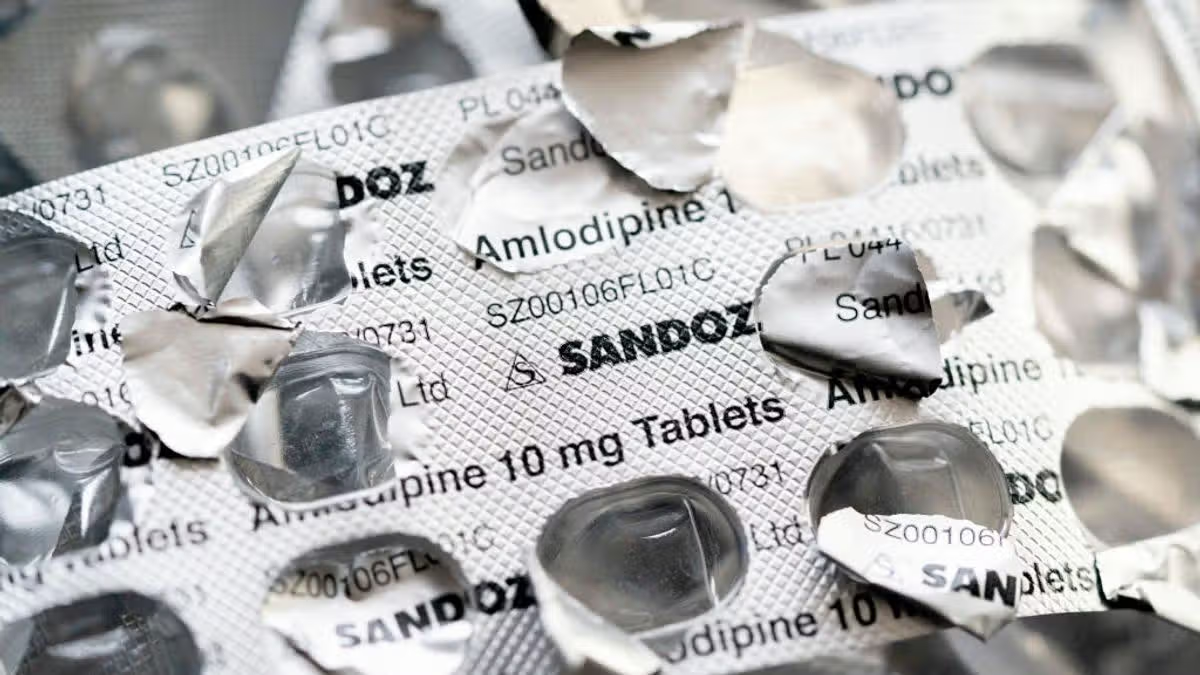

LONDON/PARIS — More than 35 million prescriptions for amlodipine are issued through the NHS in the UK every year, making it one of the most frequently dispensed cardiovascular medications. Pharmacist Raj Patel has warned patients taking the blood pressure drug to be aware of a common side effect that often becomes more apparent by evening.
Amlodipine works by relaxing and widening blood vessels to lower blood pressure. However, Patel explained on social media that the medication can also allow some fluid to leak out of tiny blood vessels into surrounding tissues. Due to gravity, this fluid tends to accumulate around the ankles, and so by the evening, patients’ shoes may feel tighter and their ankles puffy.
The NHS lists swollen ankles, feet and legs (oedema) as a common side effect of amlodipine. While this swelling often affects both ankles and develops gradually, Patel warned that new swelling in a single leg that is painful, red or warm could indicate a blood clot and requires prompt medical assessment.
"If you've noticed this since starting amlodipine, don't just stop taking it. Get it checked," Patel said. "Sometimes just changing the dose or the medication can make a huge difference." The NHS advises that some side effects ease after a week or so as the body adjusts, but others can last longer.
Patients are urged not to stop taking amlodipine without consulting a healthcare professional, as doing so can allow blood pressure to rise again. Prescribers may adjust the dose or discuss alternative medications. Any swelling accompanied by sudden breathlessness or chest pain requires emergency medical attention.
The warning comes as amlodipine remains a cornerstone treatment for hypertension and angina, with millions of patients relying on it to reduce the risk of heart attacks and strokes. Healthcare professionals emphasize that the benefits of blood pressure control generally outweigh the risk of manageable side effects when properly monitored.
