

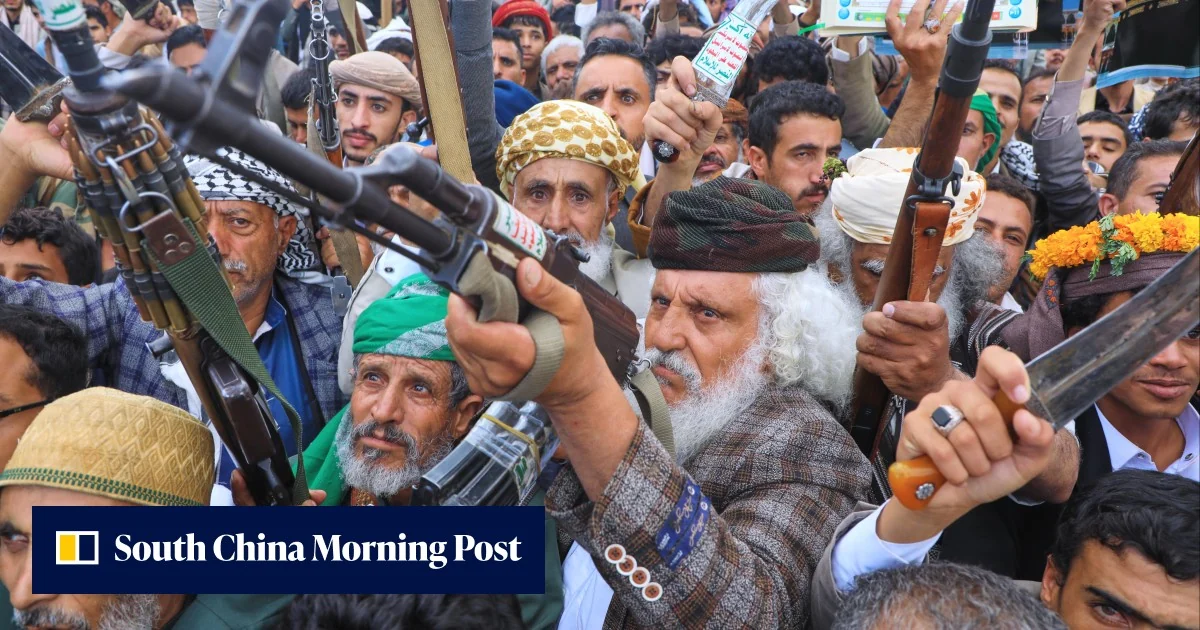
SAUDI ARABIA — Iran-backed Houthi militants attacked Saudi Arabia's Ras Tanura refinery last week, the latest in a repeated pattern of strikes on the kingdom's energy infrastructure, officials and security sources said.
The 550,000 barrels per day facility, a vital cornerstone for Saudi crude oil exports, was hit and caused a fire at the site, according to senior security sources in Washington, London and Berlin. The attack underscores the ongoing vulnerability of Saudi energy installations to drone and missile strikes, despite billions of dollars in defense systems purchased from the United States.
Senior Islamic Revolutionary Guard Corps commanders in Tehran ordered the attacks, the sources said. The IRGC has been funding, arming and training the Houthis, with IRGC officers and men on the ground in Yemen coordinating the strikes.
The attack is part of a repeated pattern. Houthi militants targeted the same Ras Tanura facility in March and in March 2021. The most significant previous attacks occurred on Sept. 14, 2019, when drone and cruise missile strikes hit Aramco's Abqaiq and Khurais facilities. Together, those two facilities represented around 50 percent of Saudi Arabia's oil production, or about 5 percent of global oil supply. The 2019 attacks caused an immediate spike of up to 20 percent in global oil prices.
Brent crude prices approached $100 per barrel following the latest attack. The Saudi Energy Ministry temporarily halted operations at several key energy facilities.
The attacks have exposed limitations in U.S.-sold defense systems. Iranian strikes have destroyed or disabled early-warning radars in Qatar and Bahrain, multiple THAAD radars across the region, and MQ-9 Reaper drones since the outset of Operation Epic Fury in February.
The incident further highlights Iran's demonstrated control over proxy groups and its ability to influence global oil price trajectories. The attack occurred just before the Nov. 3 U.S. Mid-Term elections, underscoring the relationship between oil prices, the U.S. economy and electoral prospects.
For Saudi Arabia and its Gulf allies, the attack raises questions about the effectiveness of security guarantees. The Makkah Defence Alliance, comprising Saudi Arabia, Turkey and Pakistan and modelled on NATO's Article 5 collective defense principle, has done nothing following the attacks, officials said.
Beijing's growing influence in the region through the Iran-China 25-Year Comprehensive Cooperation Agreement and the Belt and Road Initiative adds another dimension. Chinese-flagged supertankers have transited the Bab el-Mandeb Strait under Houthi control without incident.
